£1.50 stem offer
 30 day returns
 Free delivery over £100
 Rated 4.8 / 5



December birth flowers & what they symbolise
Discover December's birth flowers, their symbolism, and inspiration for styling them in your home.
Read more


Similar to gemstones, each month of the year boasts a designated bloom, each with its unique significance. In January, two take the spotlight, each carrying its own unique symbolism.
Carnations, widely employed in weddings, corsages, and mixed arrangements, stand out as one of the most prevalent commercial flowers. On the other hand, snowdrops may not be as common in bouquets, but their delicate blossoms make a notable appearance in late winter and early spring, emerging as some of the first flowers to bloom.
A well-loved garden favourite, the carnation stands proudly as one of January's birth flowers.
In ancient times, carnations were mainly found in pale pink and peach hues. However, as time has progressed, the spectrum of available colours has expanded significantly. Today, carnations come in a diverse range of colours, encompassing shades such as red, yellow, white, orange, purple, and green. Additionally, there are bi-coloured and frosted varieties that contribute to the rich palette of these blooms. Similar to roses, the various colours of carnations carry distinct meanings, as outlined below.
In some cultures, carnations are believed to bring good fortune and protection from negative energies.
Often peeking through the snow-covered landscapes, snowdrops symbolise hope, rebirth, and the promise of spring. Their dainty white petals, resembling drops of pristine snow, add an enchanting touch to the winter scenery.
As the first flowers to bloom in the year, Snowdrops herald the end of winter's chill and the beginning of a new cycle. These flowers are a poignant reminder that, even in the coldest months, life persists beneath the surface, ready to unfurl with the arrival of warmer days.
In various cultures, Snowdrops have been associated with purity and the purification of the soul.
Whether you're celebrating your own January birthday or honouring a loved one born in this month, the carnation and the snowdrop offer captivating choices for floral expression.
Incorporating birth flowers into celebrations adds a layer of thoughtfulness and personal connection to the festivities and gift giving.
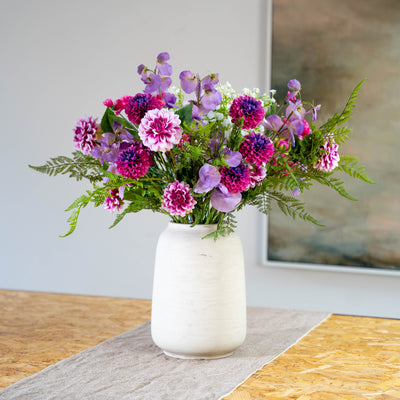
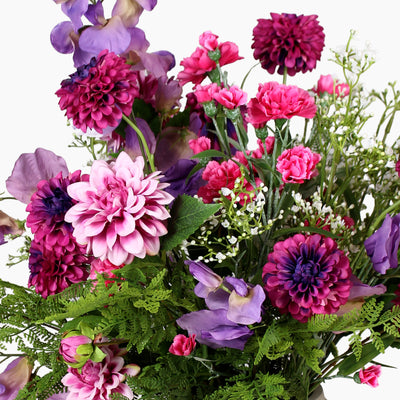
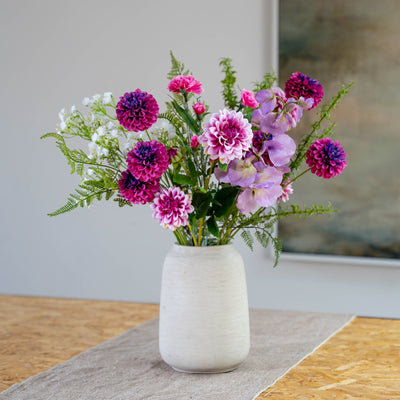
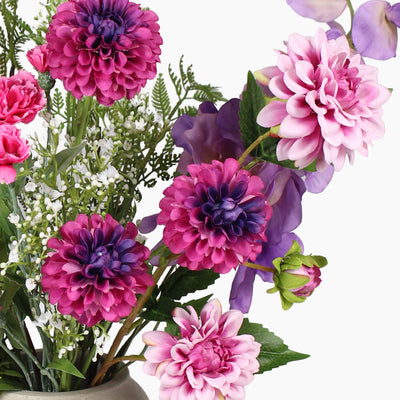
Although we don't have carnations, we do have dianthus! They are related and technicaly part of the dianthus family. Our cottage blooms bunch and cottage blooms bouquet both offer, bright and warm colours, featuring soft pink dianthus stems.
Of course, there’s no need to feel compelled to stick only to January’s two official blooms. In fact, there are many ways to incorporate the symbolism and traits of each month into your gift giving.
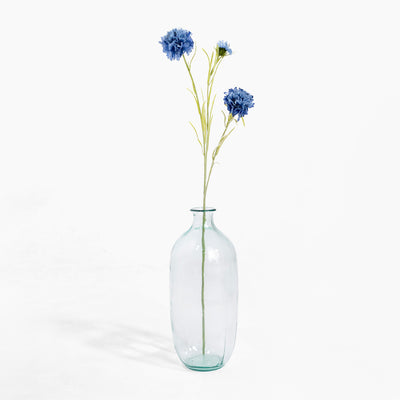
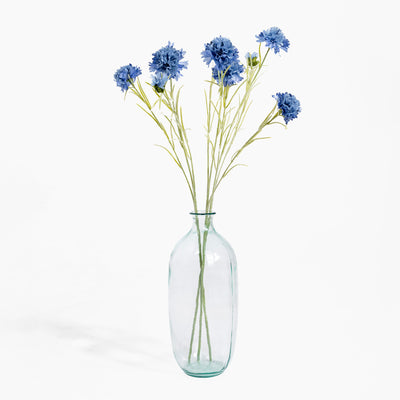
The cornflower for instance, has acquired various symbolic meanings similar to the January birth flowers and is visually very similar to a carnation. The vibrant blue hue, reminiscent of a tranquil sky, can symbolise clarity, tranquillity, and hope. Roses are a great way to express all forms of love, from maternal to romantic, a trait also associated with this month. Explore our range of artificial roses.

And there we have it – our top tips for celebrating those born in January! Wondering what your birth flower is? Discover more information in our blog post birth month flowers & artificial alternatives.